
Charging Your EV From a Dryer or dedicated Outlet: What You Need to Know First
Charging an electric vehicle (EV) requires a significant amount of electrical power and can put real stress on the circuitry — drying clothes doesn't come close. A dryer usually runs between 22 and 24 amps, toggling between 5 and 24 amps frequently during a cycle. An EV charger can pull 24 amps continuously for many hours per session. That's not a burst; it's a sustained load on a circuit that was never designed for it.
The hidden problem: an aging circuit
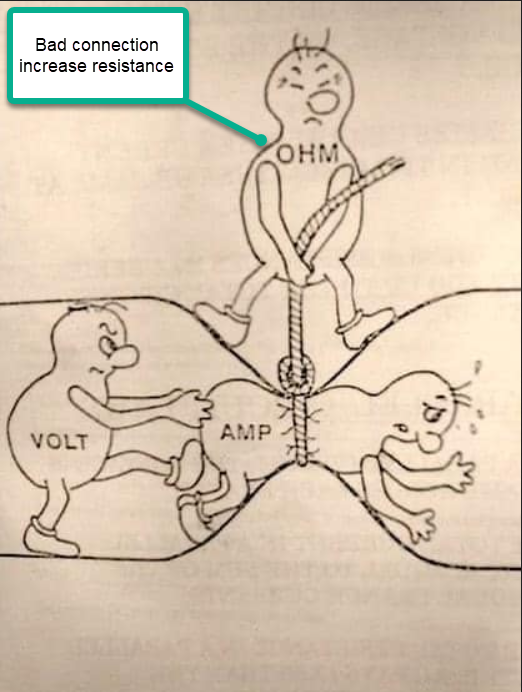
Many dryer circuits and outlets haven't been inspected or maintained in years — sometimes decades. That can lead to loose wiring over time. Loose wiring causes electricity to arc, generating intense heat that can melt or burn the socket or plug. In the vast majority of cases, the worst outcome is a melted plug or receptacle. In rare cases, it can start a fire.
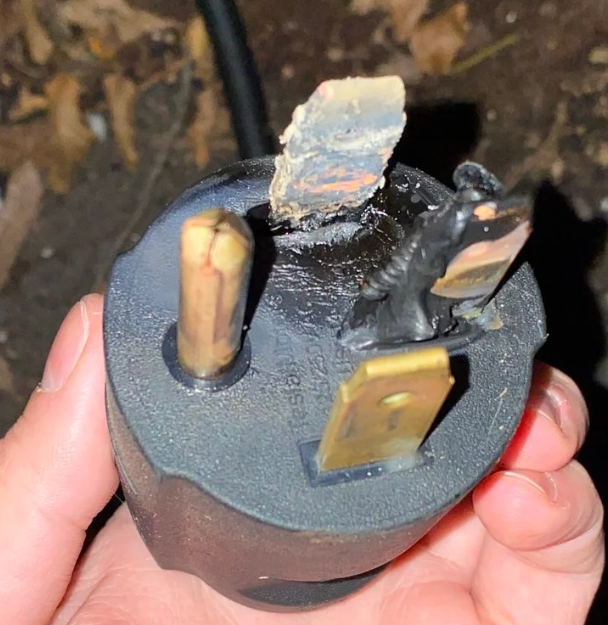
A burnt plug
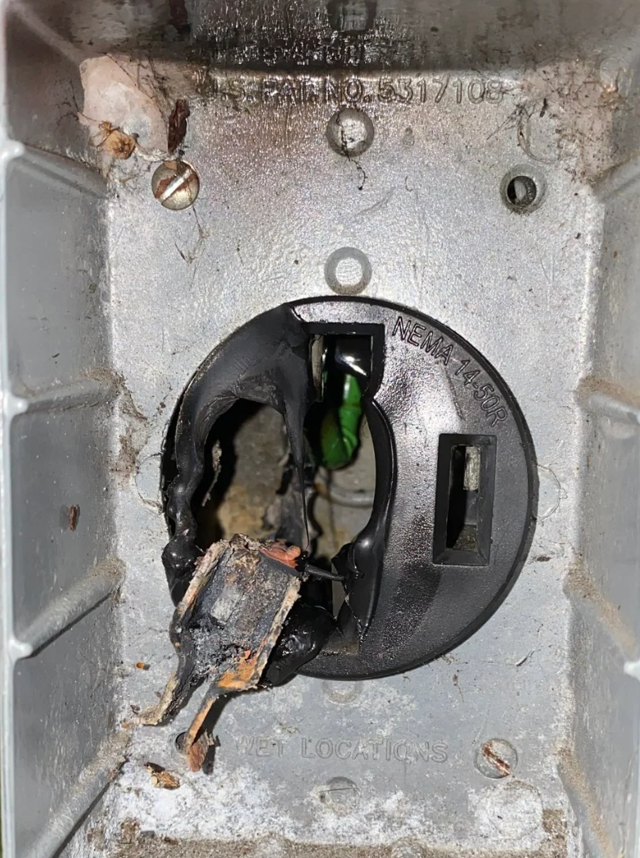
Burnt socket
What we recommend
1. Have an electrician inspect your dryer circuit and outlet before charging your EV. This is step one, not an afterthought.
2. Use a quality outlet. EV manufacturers often recommend upgrading to a higher-quality receptacle than the builder-grade outlet in your wall — see Tesla's recommendation
3. Check connection temperatures regularly. Every few months, feel every connection point — every plug and socket from the wall to your car. Anything that feels exceptionally hot after 2 hours of charging is a warning sign of a loose connection and should be resolved immediately.
If you're considering a hardwired wall station
If you're weighing a hardwired wall station as the more permanent option, that's a reasonable move — a hardwired installation removes the plug-and-receptacle connection entirely (one less thing to melt) and is rated for continuous charging duty. But it needs room in your panel.
In many older homes — especially 100-amp service or panels that are already full — adding a 50-amp charging circuit brings you to the expensive fork in the road: a panel or service upgrade that can run $6,000–$25,000.
That's where a load manager is worth a look. It monitors your home's energy usage in real time and manages EV charging to fit within your home's available capacity — so qualifying homes can add a hardwired Level 2 charger without a panel or service upgrade. Most nights you charge at full speed; it only adjusts during temporary peak-load events.
ChargeXcel (by EV-PowerShare) is a UL 916-certified energy management system built for exactly this. It supports 48A continuous / 60A max charging, installs in roughly 1–2 hours for a licensed electrician, and requires no mandatory cloud subscription for core load management. If a wall station is on your list but your panel is already maxed out, ask your electrician whether a load manager can get you there without the upgrade — ev-powershare.com